Production And Uses Of Conveyor Belts

What Is Conveyor Belt?

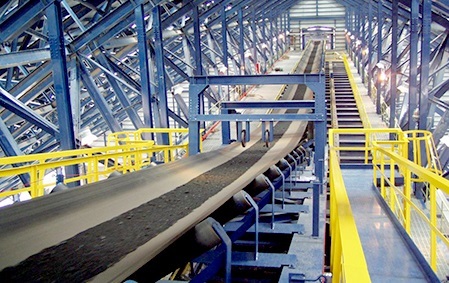
In different industries, material handling equipment are highly required for the loading and transit of the goods over a short distance. Conveyor Belt are mostly used for this purpose. These are basically Belts, which are looped endlessly over rollers and two terminal pulleys that rotate and move the belt along. It has a flat surface and and it slides. If you loved this write-up and you would like to obtain additional details regarding panel maker kindly go to our internet site. The belt in designed in such a way so that it can move freely. High quality materials are used in the developing these belts, so that they withstand the weight of the loaded goods.

The length and breath of the belt depend on the purpose it is serving. There are, broadly, two types of Conveyor belts: Fabric/Steel Reinforced Belts and Wire Mesh Belts. These belts have different application in different domains starting from transportation sector to the shopping centers.

These belts are manufactured by embedding the reinforcing material, such as textile, canvas, nylon, steel cord, or a combination of these in polymer slabs, usually rubber. Then, these are vulcanized. The strength of these belts get determined during the production process itself based on the number and type of layers of reinforcing materials. Steel-wire-reinforced Conveyor Belts, have extra strong cords and are mainly used in mining and handling of heavy material. Whereas, Wire mesh belts possess good heat and cold resistant properties and these belts find application in handling of light or heavy loads. Apart, they are used in bakeries, cooking lines and for freezing plants. Wire mesh belts, usually, come with a choice of mesh types.

However, over a period of operation, conveyor are likely to become slack. This can be corrected with the use of tensions, which can be automatic or manually operated. A special type of belting is required for acutely inclined and high-speed conveyor systems.

Owing to the heavy demand of these belts in different industries, manufacturers are continuously producing these belts to suffice the market demand. Apart from increasing the manufacturing efficiency, manufacturers are also trying to develop advance methodologies in-order to manufacture longer length without splicing. Moreover, longer belts are easy to instal and requires less maintenance cost.

P.S. :- This article is written on behalf of conveyor system manufacturers, rubber conveyor belts manufacturers, suppliers and exporters that are also engaged in distributing  and trading of conveyor belts, rubber conveyor belts and industrial belts to Indian and global buyers/importers.
Picking Out Conveyor Parts For A Custom-built Conveyor

Ready-built conveyor units are hugely readily available in the market industry.
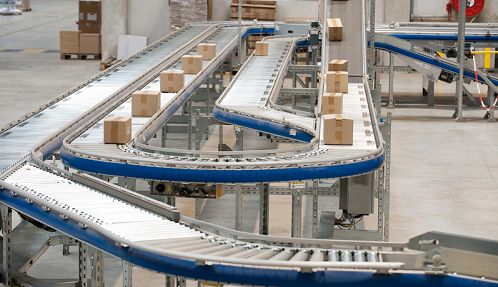
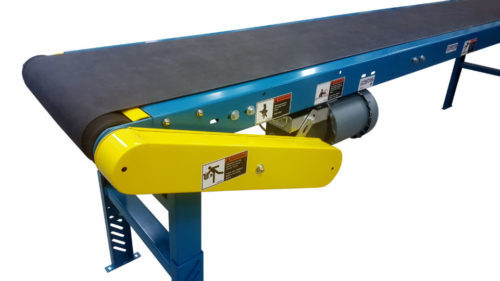
These types of conveyor models, for the most part, will certainly serve the expectations of an average factory line. However, in a number of cases, a new custom-built or specialised conveyor program is essential. This may indicate some thing as simple and easy as utilizing a far more long-lasting material for the conveyor rollers, or something more problematic such as determining the specific features of every single conveyor component.

Picking just the most appropriate conveyor elements is absolutely crucial in developing any conveyor model. While it will probably be easy only to go for the best elements; very best in relation to robustness and speed it may well allow a conveyor to function while not generating problems, virtually anyone having business experience recognizes that it will most definitely not be cost-effective, and overall just be counterproductive.

It will destroy the very cause for using a customised conveyor! In the end, getting just the proper conveyor components to work with will certainly guarantee that you find yourself having a conveyor unit that is one of the most useful for the current business requirements, whilst being cost-effective and also forward looking.

Forward looking in that it will be suitable for possible future specifications.

Some of the most significant factors to take into consideration once picking conveyor elements for the customised conveyors normally include the substance, conveyor loading aspects, as well as conveyor release concerns. Many other factors also have a bearing on the personal preference of conveyor elements for instance bearings, shafts, and also shaft seals, even so the types outlined below will provide you with a reliable overview on the wide selection procedures.

Materials – Be certain to take into account the type of components you will be packing on the conveyor. Sort out just how coarse and harsh the load materials used are, in order to have the know-how to choose the sort of materials you need your current conveyor elements to be built of.
If the substances are non-corrosive and non-abrasive, then a regular Pvc material or mild metal conveyor rollers will be sufficient. Even so, stainless steel might be necessary with regard to far more corrosive loads. Therefore, you need to take into account the flowability of the product.

Doing this will not affect the materials for the conveyor component but will identify the absolute maximum position of repose that for your conveyor base. Needless to say, in case you are utilising a flat-bed conveyor, then this shouldn’t become an issue. Various other noteworthy characteristics of the load material you ought to take note of include humidity, construction, size, etc.

This can decide if you will want conveyor belting or can just load up the subject matter on the conveyor rollers, and will also determine the type of belting you are going to require.
Conveyor reloading approaches –  Every conveyor has its limitations or capability. It’s very essential to know the capacity of the conveyor system you need engineered and to make sure that the capability isn’t breached. Ensuring that the amount of load does not meet or exceed the restrictions relies on understanding how you plan on loading the goods on to the conveyor.

When the load comes out of a unit with a controlled output apparatus, the excellent news is the fact that this isn’t much of a worry. On the other hand, surges from time to time do develop. To help you counter abrupt surge in loads, you may have to use further mechanisms just like screw feeders.
If screw feeders aren’t to be utilized, just go with heavy-duty conveyor rollers to keep track of surge in loads. If packing is completed by hand, make sure that you simply install a straightforward sign in the inlet to indicate the overall load which is already on the conveyor.

This will ensure that users are consistently aware of the utmost volume is about to be reached.
Conveyor release methods – Common conveyor release systems used include the standard discharge spout, flush end discharge, mechanically controlled gates, plain opening, open base release, trough end release, and open end discharge. The technique of discharge will generally not actually have an effect on the option of conveyor components for example rollers, belting, and motors, unless it’s to be linked to yet another conveyor.

As mentioned above, if the output is controlled the next conveyor will likely require a screw feeder for safeguarding from surges in load output/input.

Reasons For Getting The Conveyor Part You Will Need

Ready-built conveyor units are hugely readily available in the market industry.
These types of conveyor models, for the most part, will certainly serve the expectations of an average factory line. If you have any concerns concerning wherever and how to use panel maker, you can speak to us at our own webpage. However, in a number of cases, a new custom-built or specialised conveyor program is essential. This may indicate some thing as simple and easy as utilizing a far more long-lasting material for the conveyor rollers, or something more problematic such as determining the specific features of every single conveyor component.

Picking just the most appropriate conveyor elements is absolutely crucial in developing any conveyor model. While it will probably be easy only to go for the best elements; very best in relation to robustness and speed it may well allow a conveyor to function while not generating problems, virtually anyone having business experience recognizes that it will most definitely not be cost-effective, and overall just be counterproductive.

It will destroy the very cause for using a customised conveyor! In the end, getting just the proper conveyor components to work with will certainly guarantee that you find yourself having a conveyor unit that is one of the most useful for the current business requirements, whilst being cost-effective and also forward looking.

Forward looking in that it will be suitable for possible future specifications.
Some of the most significant factors to take into consideration once picking conveyor elements for the customised conveyors normally include the substance, conveyor loading aspects, as well as conveyor release concerns. Many other factors also have a bearing on the personal preference of conveyor elements for instance bearings, shafts, and also shaft seals, even so the types outlined below will provide you with a reliable overview on the wide selection procedures.

Materials – Be certain to take into account the type of components you will be packing on the conveyor. Sort out just how coarse and harsh the load materials used are, in order to have the know-how to choose the sort of materials you need your current conveyor elements to be built of.
If the substances are non-corrosive and non-abrasive, then a regular Pvc material or mild metal conveyor rollers will be sufficient. Even so, stainless steel might be necessary with regard to far more corrosive loads. Therefore, you need to take into account the flowability of the product.

Doing this will not affect the materials for the conveyor component but will identify the absolute maximum position of repose that for your conveyor base. Needless to say, in case you are utilising a flat-bed conveyor, then this shouldn’t become an issue. Various other noteworthy characteristics of the load material you ought to take note of include humidity, construction, size, etc.

This can decide if you will want conveyor belting or can just load up the subject matter on the conveyor rollers, and will also determine the type of belting you are going to require.
Conveyor reloading approaches –  Every conveyor has its limitations or capability. It’s very essential to know the capacity of the conveyor system you need engineered and to make sure that the capability isn’t breached. Ensuring that the amount of load does not meet or exceed the restrictions relies on understanding how you plan on loading the goods on to the conveyor.

When the load comes out of a unit with a controlled output apparatus, the excellent news is the fact that this isn’t much of a worry. On the other hand, surges from time to time do develop. To help you counter abrupt surge in loads, you may have to use further mechanisms just like screw feeders.
If screw feeders aren’t to be utilized, just go with heavy-duty conveyor rollers to keep track of surge in loads. If packing is completed by hand, make sure that you simply install a straightforward sign in the inlet to indicate the overall load which is already on the conveyor.

This will ensure that users are consistently aware of the utmost volume is about to be reached.
Conveyor release methods – Common conveyor release systems used include the standard discharge spout, flush end discharge, mechanically controlled gates, plain opening, open base release, trough end release, and open end discharge. The technique of discharge will generally not actually have an effect on the option of conveyor components for example rollers, belting, and motors, unless it’s to be linked to yet another conveyor.

As mentioned above, if the output is controlled the next conveyor will likely require a screw feeder for safeguarding from surges in load output/input.